How to make the most of your headshots
Most people book a headshot session, use one photo on LinkedIn, and forget the rest exist. Here's everywhere else those retouched images should actually be doing work.
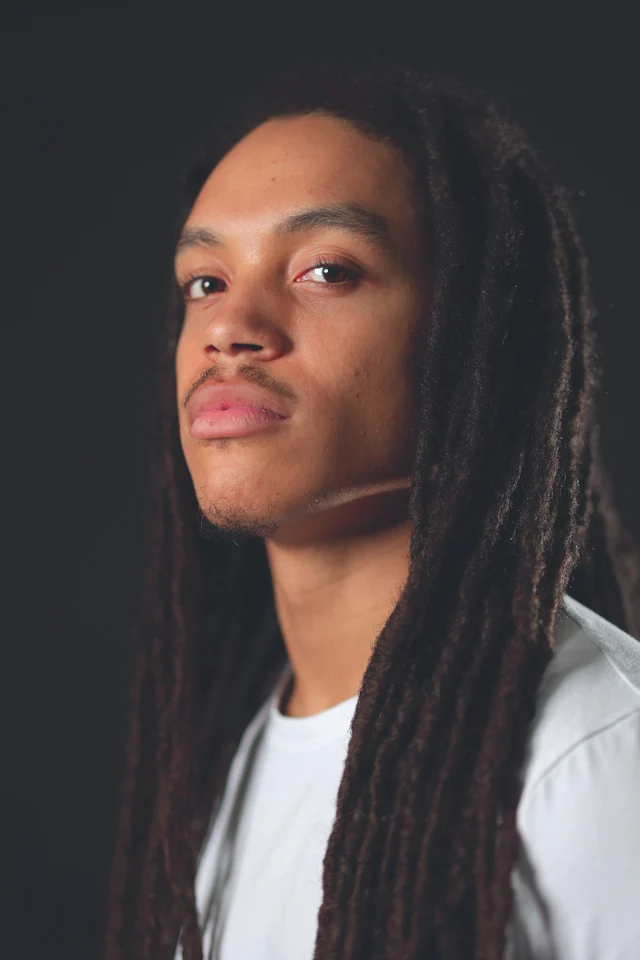
Website about page
The first thing a prospective client sees when they check you're a real person before hiring you. A flat or outdated photo undoes a lot of good copy.
Press kit / EPK
Journalists and bookers pull from what you give them. Supply a proper high-resolution portrait and that's the one that ends up in print, not a cropped screenshot.
Speaker bio
Conference organisers and event pages need a headshot fast, usually on request with a deadline. Have one ready rather than scrambling for a decent photo the night before.
Email signature
A small, consistent touch that makes every email you send look a little more considered — especially for client-facing or sales roles.
Conference badge
Increasingly common at industry events, and one of the few places your photo is seen at actual size, close up, by everyone you talk to.
Company directory
If your team's directory or "meet the team" page is a mismatch of selfies and old ID photos, it reads as neglected — see the company headshots approach for fixing this properly.
Book jacket or author bio
If you've written anything — a book, a whitepaper, a substantial guest post — a proper portrait belongs next to your name.
Awards and directory listings
Industry award submissions and professional directories often require a headshot as part of the entry. Have one on hand that meets a basic quality bar.
Social profile banners
Not just the profile photo — a wider portrait works well as a LinkedIn or Twitter/X banner image, giving your profile a more finished look.
A headshot has a shelf life. Not because it degrades, but because it needs to still look like you. If people meeting you in person do a double-take, it's overdue.
A reasonable rule: reshoot every couple of years, or sooner after a major look change — different hair, glasses, a beard grown or shaved, meaningful weight change, or simply a new job where you want a fresh set. Nobody's expecting a new photo every year, but a five-year-old headshot on a five-year-older face is a mismatch people notice even if they don't say so.
Package sizes make this easy to plan around — Premium's 20 images and Ultimate's up to 30 give you enough variety to cover the uses above without shooting again the moment your needs change slightly.